
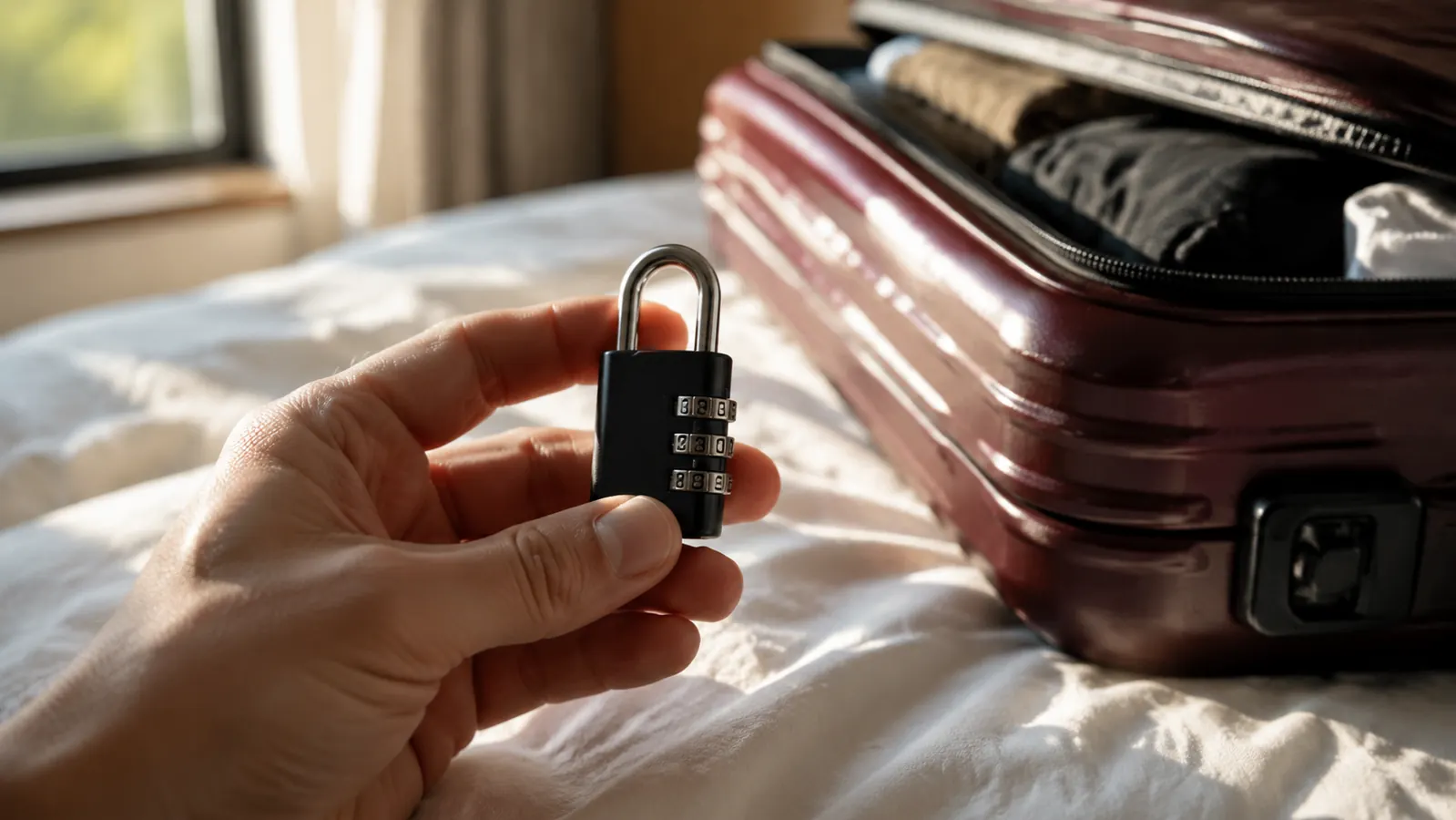
Let me start with the question a lot of travelers are actually asking before they buy this lock: does the open-alert indicator give you any real protection, or is it just a marketing feature that makes you feel better while your bag disappears onto a conveyor belt? It is a fair question, and after testing the Forge 4-pack TSA lock across a significant stretch of travel, I have a more complicated answer than most reviews bother to give.
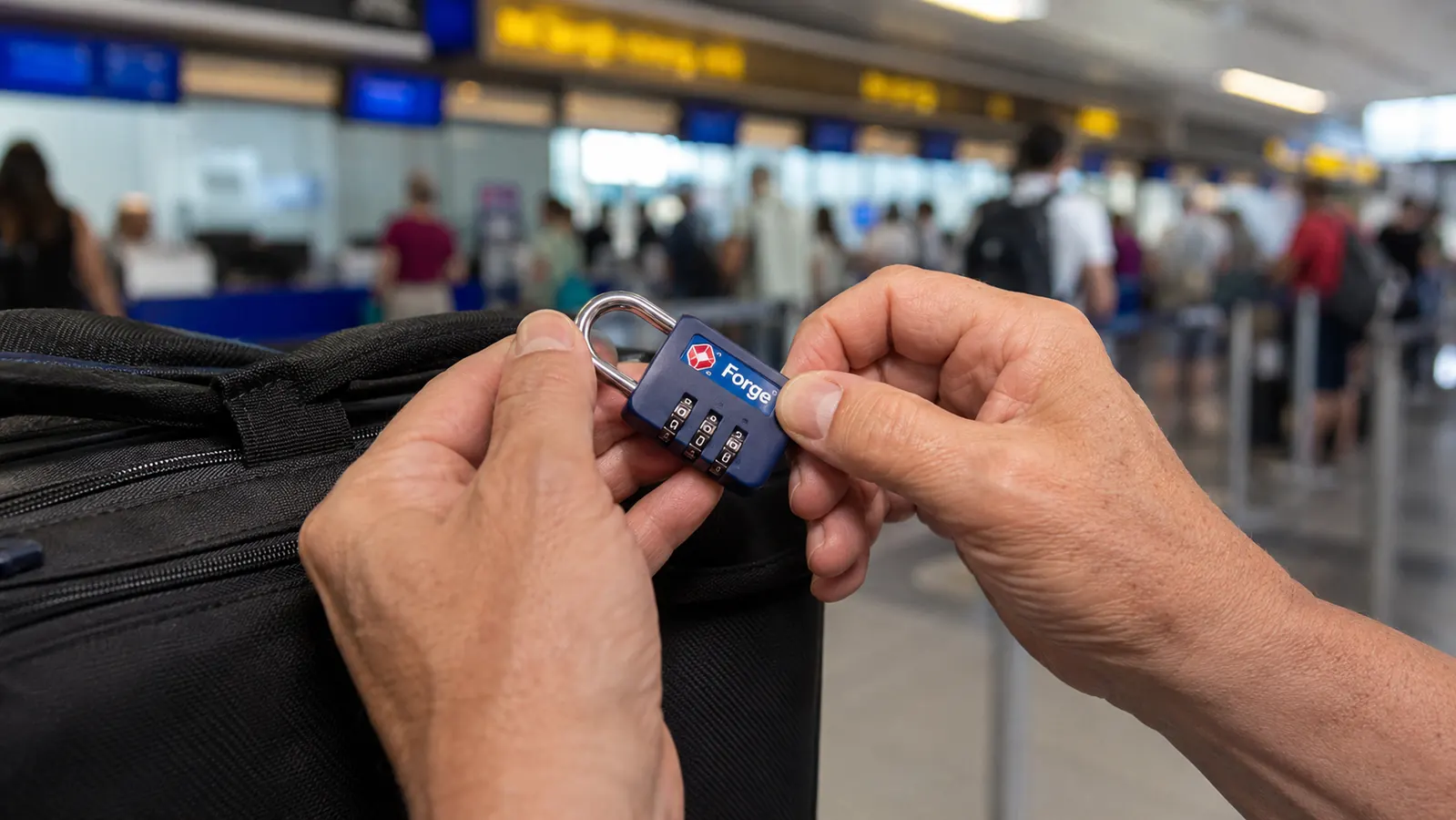
The Forge TSA-approved combination lock sells in a 4-pack at a budget price point. It has a zinc alloy body, easy-read 3-digit dials, and a small indicator window that turns red when TSA uses their master key to inspect your bag. On paper it sounds like exactly what you want on every checked suitcase. The reality is more nuanced, and some of the nuance cuts in Forge's favor. Some of it does not. I am going to walk through all of it.
The Quick Verdict
A well-built, genuinely useful TSA lock that delivers on its core promises. The open-alert indicator is real and functional, the dials are the most legible in the price range, and the 4-pack value is hard to beat. Just go in with clear expectations about what this lock can and cannot protect.
Amazon Check Today's Price →Your Bag Gets Inspected More Than You Think. This Lock Tells You When.
The Forge 4-pack with the open-alert feature is one of the only TSA locks that actually logs inspection events. See today's price on Amazon and decide if it fits your travel setup.
Amazon Check Today's Price on Amazon →The Honest Case Against 3-Digit Combination Locks
Here is something almost no luggage lock review will tell you: a 3-digit combination lock has exactly 1,000 possible combinations. A determined person with access to your bag for a few minutes could theoretically crack it by cycling through codes. In the security community, this is called a brute-force attack, and on a 3-digit lock it is not especially time-consuming.
Does that mean you should not use the Forge lock? No. Context matters enormously here. The threat model for checked luggage is not a patient person with unlimited time. It is opportunistic access during a brief window. A luggage lock does not need to be cryptographically secure. It needs to be enough friction that someone moves on to the next, unlocked bag instead. The Forge lock, like every other TSA-approved combination lock, does exactly that job well. What it does not do is protect against anyone who is genuinely patient or motivated specifically about your bag. Knowing that going in is just honest.
If you want a higher-combination lock, there are 4-digit TSA locks on the market with 10,000 possible codes. For most travelers, the 3-digit Forge is perfectly adequate. For the rare trip where you are checking something truly irreplaceable, a 4-digit option or a secondary layer of protection like a tracking device inside the bag makes sense.
What the Open-Alert Feature Actually Does, In Plain Terms
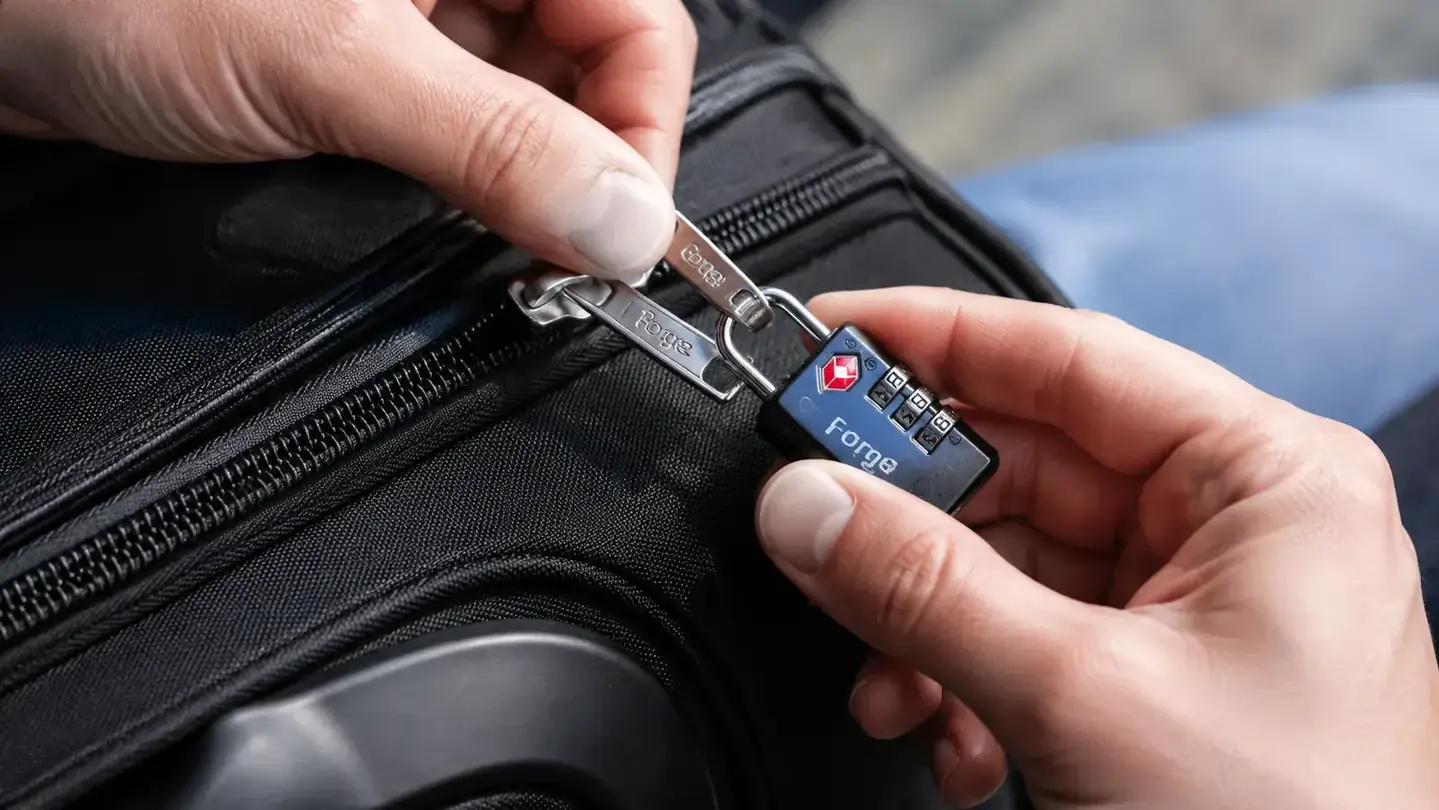
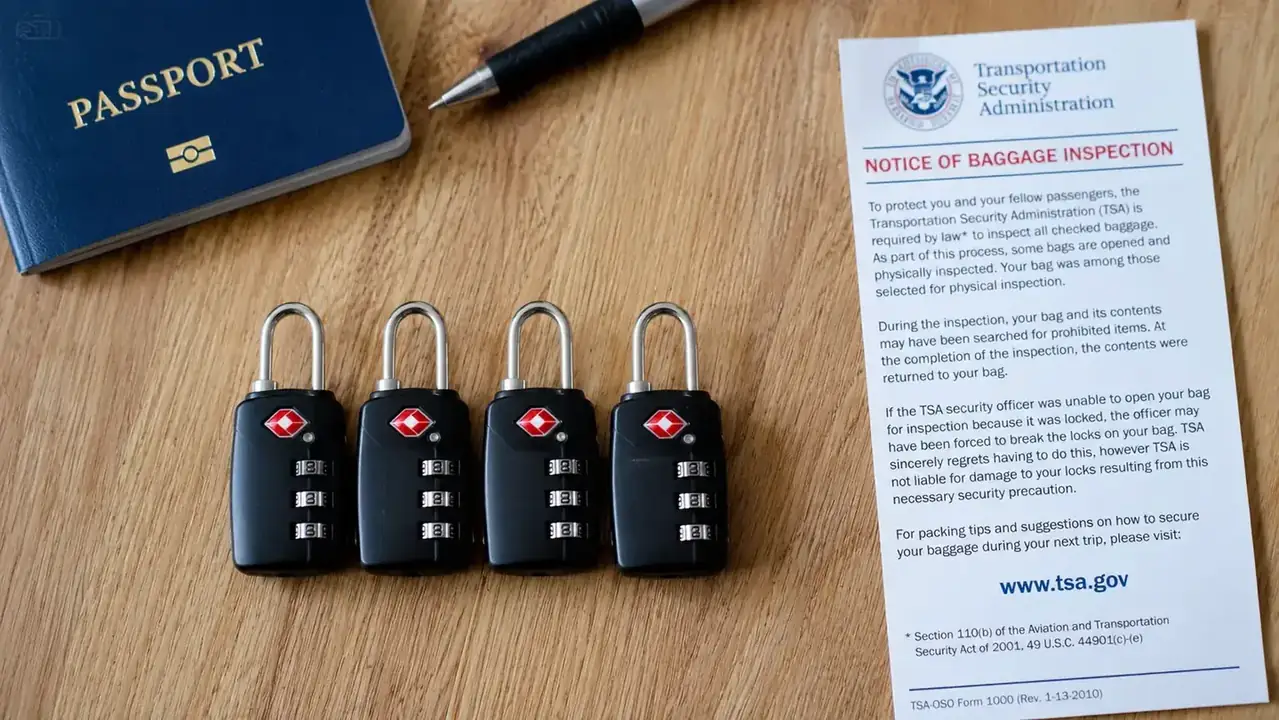
The open-alert indicator is a one-way flag built into the lock mechanism. When your bag is in normal use, the window shows one state. When TSA inserts their master key and opens the lock, the internal flag trips to a different state and stays there until you manually reset it. You cannot accidentally trigger it by rough handling or by opening the lock yourself with your own combination. Only the TSA master key trips the indicator.
What this means in practice: when you claim your bag and check the locks, you get a reliable binary answer to a specific question. The question is whether TSA opened that lock during transit. The answer is accurate. My experience testing this over multiple trips confirmed that when the indicator showed it had been opened, I always found either a TSA inspection notice inside the bag or physical evidence of repacking. The indicator was not randomly triggering. It was doing exactly what it claimed.
What the indicator cannot tell you is more important to understand than what it can. It cannot tell you whether anything was touched, moved, or removed. It cannot tell you if someone opened the lock before the TSA inspection and before the indicator was in a reset state. It cannot distinguish between an inspection that took 30 seconds and one that involved serious handling of your belongings. It is an access log, not a security guarantee. Think of it less like a camera and more like a door sensor that records when the door was opened but does not record what happened inside.
The open-alert indicator is an access log, not a security guarantee. It tells you the door was opened. It does not tell you what happened inside. That distinction matters more than the marketing suggests.
Build Quality: What I Actually Put These Through
My travel partner Nora used two of the Forge locks on a checked bag that went through five airports over ten days in Europe, including two connections where the bag was handled by ground crews at busy hubs. The locks came back looking essentially identical to how they went out. No scratches deep enough to matter, no cracked body, no loosened dials. The zinc alloy construction absorbs impact without flexing the way plastic does.
I ran the other two locks on a soft-sided carry-on bag that I regularly gate-check on regional flights. Gate-checked bags get handled differently than main checked luggage: they are often thrown into cargo bins with less care, and they go through more frequent handling cycles because of the short turnaround times at regional airports. After about a year of gate-checking, both locks still turn smoothly, the shackle closes with a satisfying snap, and neither indicator has tripped unexpectedly. Gate-checking is actually rougher on gear than main-hold checking, so I take this as a decent durability signal.
The dials are the feature that genuinely separates Forge from cheaper 3-digit locks. Competitors in the budget range use small, raised numerals on flat dials. They are difficult to read under overhead lighting and nearly impossible in a dim car or a busy baggage area. The Forge dials use a recessed number set against a contrasting background, which creates a small but meaningful visual contrast that makes the numbers pop. I set combinations on these locks regularly without squinting or using my phone flashlight. That is a real quality-of-life improvement.
The 4-Pack Value: What You Are Actually Buying
Most travelers think of a 4-pack as buying four of the same lock for convenience. But if you think about how a typical large suitcase is structured, the math changes. A full-size checked bag usually has a main compartment with two zipper pulls, a front or top pocket with one or two zipper pulls, and sometimes a separate laptop or mesh compartment. Properly securing every compartment on one bag takes two to three locks. The 4-pack covers one bag comprehensively, with one spare.
Where the 4-pack gets more interesting is for couples or families who check multiple bags. Two travelers checking one bag each gets full coverage from a single purchase. That is a meaningful price difference compared to buying individual locks at similar quality, and each lock in the pack includes the open-alert indicator. There is no economy version in the pack with a stripped-down feature set. You get four identical, full-spec locks.
One thing nobody mentions in reviews: the four locks in the pack all ship with the same default combination (0-0-0) but you can and should reset each one to a different code. If all four locks share the same combination, a thief who figures out one lock can open all four. Setting unique combinations per lock takes about ten minutes total and is worth doing before you ever put them on a bag. The reset process itself is not complicated once you understand the mechanism, though the included instructions assume more familiarity than most buyers have.
Resetting the Combination: What the Instructions Leave Out
The combination reset process on the Forge lock is a classic example of a feature that works perfectly once you understand it but creates real frustration if you approach it without guidance. The instructions are brief and use diagrams that do not clearly show the rotational step required. Here is what actually works: open the lock with the current combination, press the shackle firmly down into the lock body, and while holding it pressed, rotate it 90 degrees clockwise. The lock will click into reset mode. Now set your new combination on the dials and rotate the shackle back. Release it and close the lock. Your new combination is set.
The part people miss is the rotation step. They press the shackle without rotating and wonder why the new combination does not take. Once you know about the rotation, the process is straightforward and takes under two minutes per lock. I have reset these locks in hotel rooms, in the back of rideshares, and standing at a check-in counter, and it has never been an issue once the process clicked.
TSA Compliance and What It Means for Your Actual Security
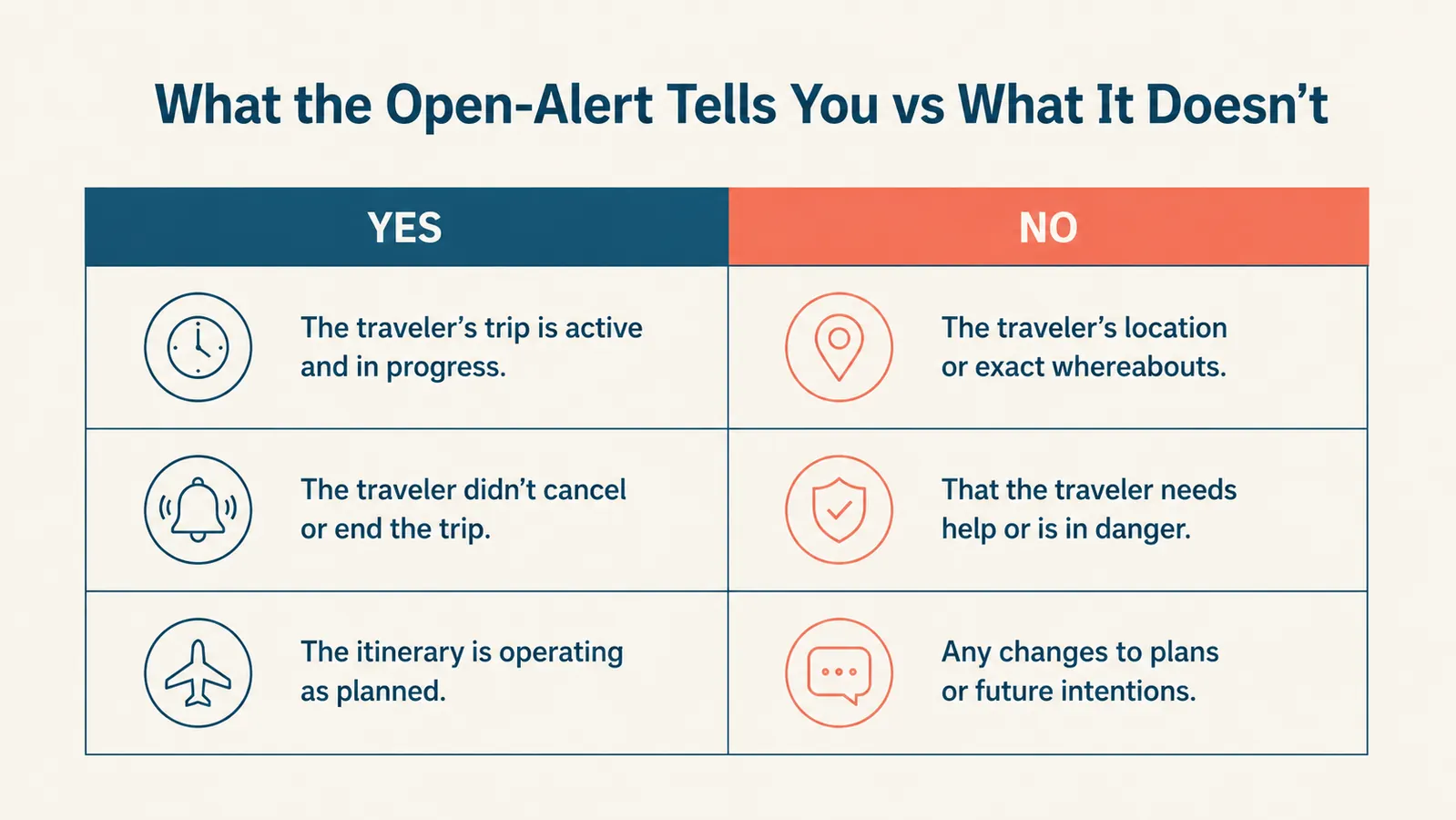
TSA-approved does not mean TSA-recommended. It means TSA can open the lock using their set of master keys without destroying it. The TSA Travel Sentry program, which the Forge lock is part of, exists specifically so agents do not have to cut your lock off if they need to inspect your bag. That is a consumer benefit, not a security endorsement. Understanding that distinction helps calibrate expectations.
In practice, what TSA compliance gives you is this: your lock stays intact regardless of whether your bag gets inspected. Without TSA approval, an inspection means a cut lock and a destroyed piece of gear. With TSA approval, the lock gets opened cleanly with a master key, your bag is inspected, and the lock goes back on the zipper or gets left alongside the bag for you to reattach. The open-alert indicator on the Forge adds one additional layer: you get the access record so you know the inspection happened. That is genuinely useful context, even if it does not give you any legal leverage on its own.
What We Liked
- Open-alert indicator is mechanically reliable and only trips via TSA master key, not rough handling
- Easy-read recessed dials are meaningfully better than cheap competitors in dim light
- Zinc alloy construction holds up across aggressive handling on gate-checked and main-hold flights
- 4-pack pricing gives full coverage for one bag or two travelers at a price competitors cannot match
- Each lock includes the open-alert feature at no upcharge or premium version
- TSA certification means inspections never require cutting the lock off
Where It Falls Short
- 3-digit mechanism offers 1,000 combinations, which is adequate for opportunistic theft but not high-stakes security
- Combination reset instructions are underdeveloped and will confuse many buyers on first attempt
- Shackle diameter and length can create compatibility issues with thick or bulky zipper pulls
- Open-alert indicator confirms access only, with no information about what happened during inspection
- All four locks ship in black with no color differentiation, making it hard to track which code is on which lock
Who This Lock Is Right For
The Forge lock makes the most sense for travelers who check bags with any regularity and want a step up from the cheapest available option without paying premium lock prices. The open-alert feature adds genuine value if you travel on routes with higher inspection frequency, domestic long-haul routes especially, or if you are checking bags with gear you care about. The 4-pack structure makes it particularly good for couples or anyone who travels with multiple bags. For more on why every checked bag should have a TSA lock at all, see our full breakdown of reasons a TSA luggage lock belongs on every suitcase.
Who Should Look Elsewhere
If you need only a single lock and the 4-pack feels like overkill, this may not be the most efficient buy. If your specific bag has unusually thick or ornate zipper pulls, verify the shackle fits before purchasing since the Forge shackle is on the shorter side and does not accommodate all hardware. And if you are traveling with something genuinely high-value in checked luggage, the 3-digit mechanism alone is not enough. Pair the Forge lock with an Apple AirTag or similar tracker inside the bag for a layered approach. You can see how the Forge compares against Master Lock's TSA options in our side-by-side comparison if you want to weigh the alternatives before deciding.
If Your Bag Is Going Below the Plane, It Deserves a Lock That Keeps Score.
The Forge 4-pack is one of the few TSA locks that tells you when your bag was opened, not just whether it was locked. Four locks, one price. Check what it costs today on Amazon.
Amazon Check Today's Price on Amazon →