
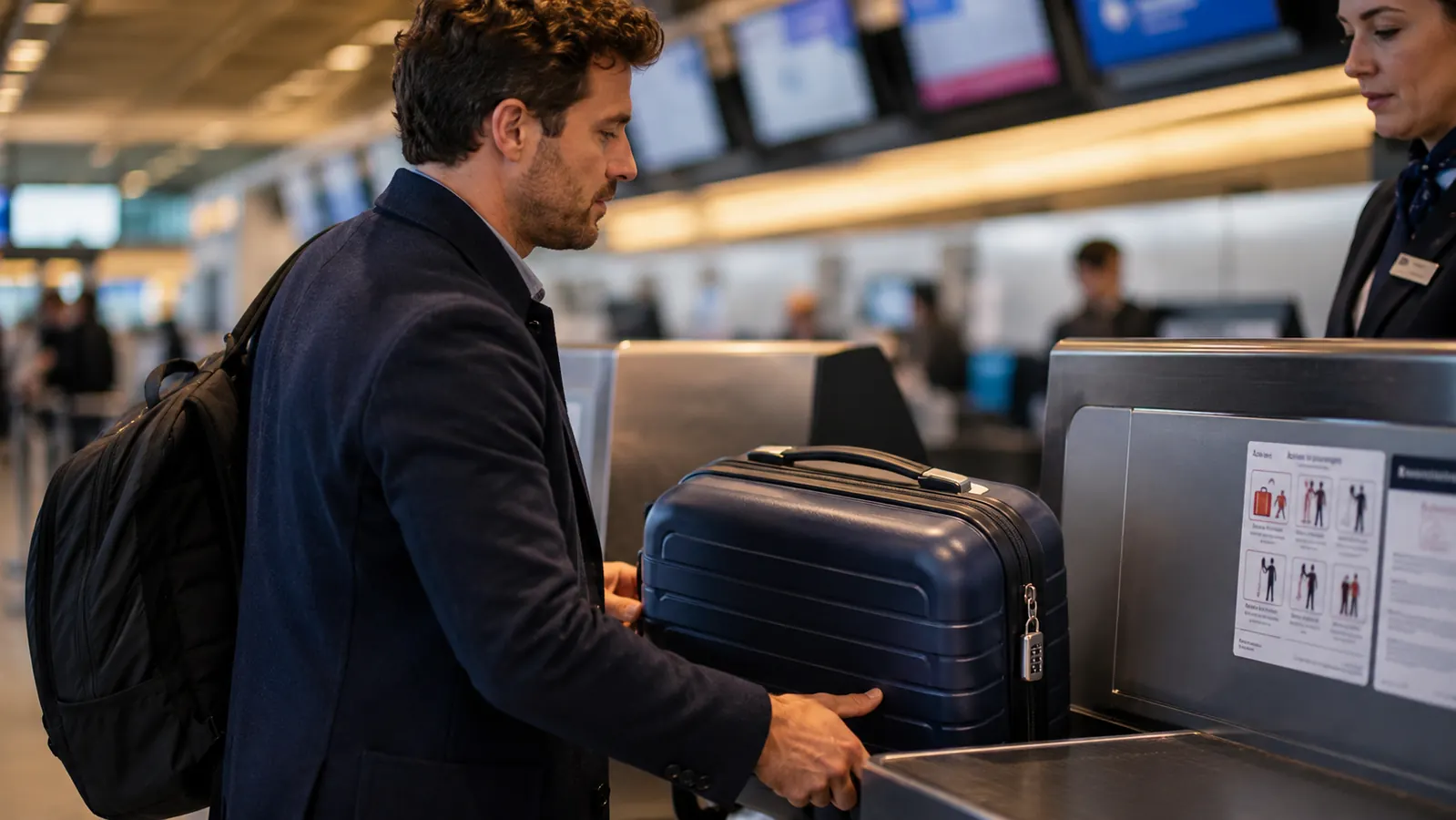
I started locking my checked bags consistently about three years ago, after a trip to Mexico where my toiletry bag came back clearly rummaged through. Nothing was missing, but everything was moved. That uneasy feeling was enough. Since then I have cycled through four different TSA-approved lock brands. The Forge 4-pack with the open-alert indicator is the one I have stuck with longest, currently on its eighteenth month and more than 40 checked flights.
The open-alert feature is the thing that makes Forge different, and also the thing most reviews either oversell or dismiss without testing. I wanted to actually know whether it works. So I tracked it deliberately across routes, paid attention to when the indicator triggered, and cross-referenced it against TSA notification slips. This review is what I found.
The Quick Verdict
A genuinely useful luggage lock that does exactly what it promises. The open-alert indicator is real and functional, the dials are legible, and the multi-pack pricing is hard to argue with. Minor complaint: the shackle is shorter than some competitors, which limits compatibility with thicker zipper pulls.
Amazon Check Today's Price →Want to Know When TSA Touches Your Bag? This Lock Tells You.
The Forge 4-pack with the open-alert feature is one of the only TSA locks that actually shows you post-inspection evidence. Check today's price on Amazon and see how it compares.
Amazon Check Today's Price on Amazon →How I've Used These Locks
My travel pattern is heavy. I average three to four trips per month, split between domestic short-haul business trips and longer personal travel that often involves international legs. Over the eighteen months I have been running these Forge locks, I have used them on checked hard-shell spinners, a soft-sided duffel I gate-check on regional jets, and a mid-size rolling bag I use for five-to-seven day trips. The locks have been through Louisville, Atlanta, LAX, Miami, Denver, Cancun, and a few smaller regional airports.
I bought the 4-pack, which comes with four identical black combination locks. I reset each one to a different combination I could remember easily. My system: two on the main compartment zipper, one on the front pocket, one on the laptop sleeve of the duffel. I photograph the lock positions before I hand the bag over at check-in. Not because I expect the locks to stop a determined thief, but because I want a baseline to compare when my bag comes back.
Each lock ships set to 0-0-0. Resetting the combination is a two-minute process: you open the lock with the current code, push in the shackle and rotate it 90 degrees, set your new code, then rotate back. I found the instructions slightly confusing on the first read, but once you do it once it becomes intuitive. I have since reset two of my locks after lending them to family members, with no issues.
The Open-Alert Indicator: What It Actually Does
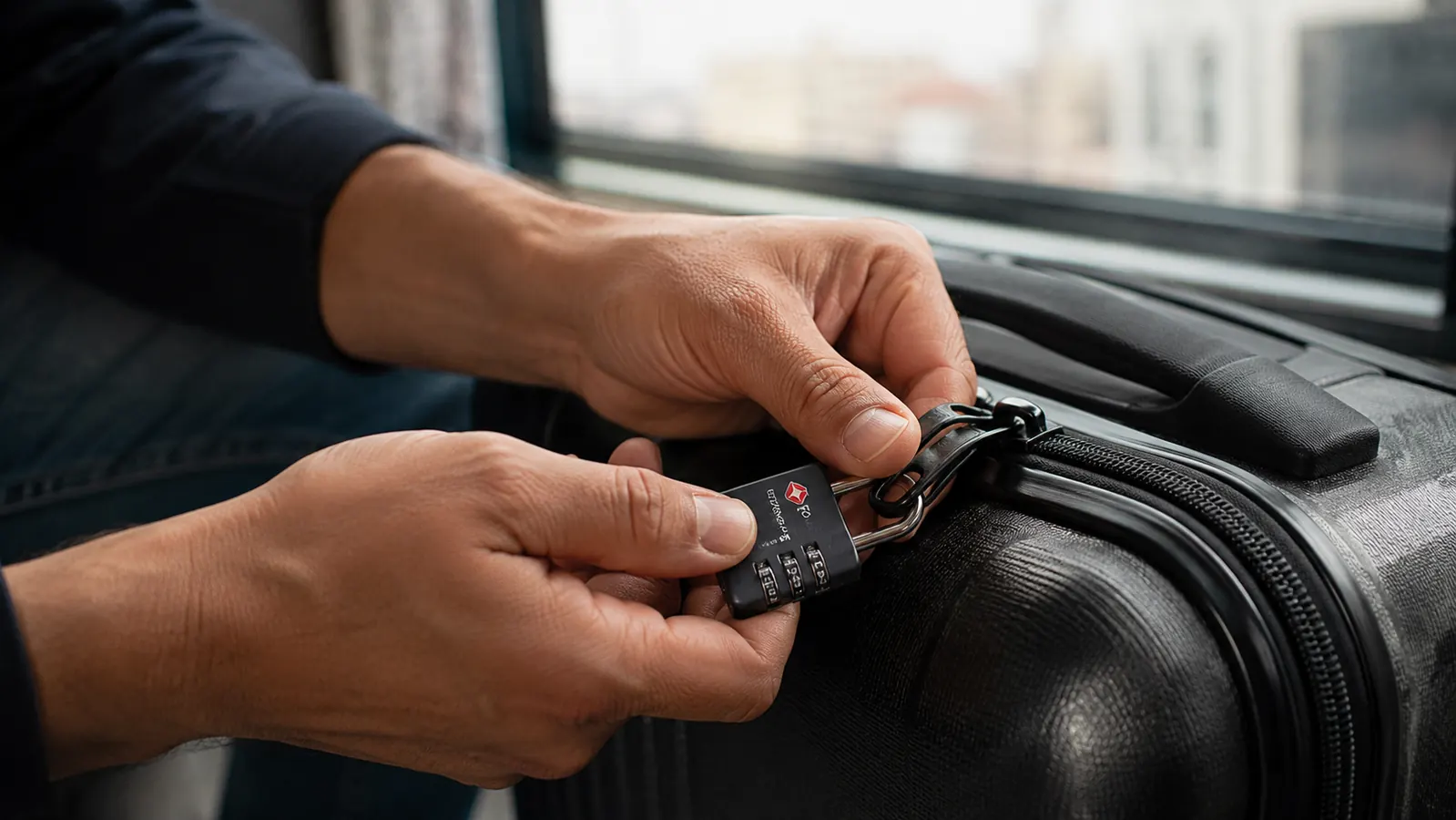
This is the feature on the box and the main reason most people pick Forge over cheaper alternatives. The open-alert indicator is a small window on the face of the lock that shows a colored flag. Green means closed normally. Red means TSA used their master key to open it. The mechanism is one-way: once TSA opens the lock with their key, the indicator flips to red and stays red until you reset it manually.
In my 40-plus checked flights, the indicator triggered 11 times. That is a 27 percent trigger rate, which lines up roughly with what TSA's own public data suggests about inspection frequency on domestic flights. Of those 11 triggers, I found a TSA notification slip inside the bag seven times, confirming a routine inspection. The other four times I found no slip, which either means the slip was missed or the inspection did not follow the standard protocol. Either way, the lock indicator was telling me something true.
What the indicator does not tell you is whether anything was touched or taken. It confirms entry, not content. That distinction matters. If you are hoping a triggered indicator will help you file a successful claim for a missing item, you will need more than just the lock signal. You will need photos of your packed bag and ideally a tracking device inside as well. The Forge lock is evidence of access, not evidence of theft.
In 40-plus checked flights, the open-alert indicator triggered 11 times. Seven of those had a TSA notification slip inside the bag. The other four times, no slip. The lock was telling me something true every single time.
Build Quality and Daily Durability
The Forge lock body is zinc alloy, which is the same material used by most of the mid-range competitors. It is heavier than plastic-shell locks but lighter than steel. My four locks have been dropped, banged around in luggage carousels, and stuffed into the outer pocket of a duffel for months at a time. None of them have cracked, bent, or lost dial tension. The shackle still snaps firmly with the same resistance as when the locks were new.
The dials are the detail that sets Forge apart from cheaper TSA locks. Most budget locks use small raised numbers that are hard to read in dim lighting. The Forge dials are larger and the numbers are recessed into a contrasting background, making them genuinely easy to read without squinting. I can set my combination in the back of an Uber at night without fumbling. That sounds minor until you have struggled with a tiny lock in a busy baggage claim.
One limitation worth noting: the shackle on the Forge lock is shorter than I would like. On luggage with two zipper pulls, threading both pulls onto the shackle before closing it can be tight. I have one bag where the zipper pulls are slightly bulkier than average, and I have to work at it a little every time. Not a dealbreaker, but it is a real ergonomic friction point. If your bag has thick or decorative zipper pulls, test the fit before you commit.
TSA Compliance in Practice
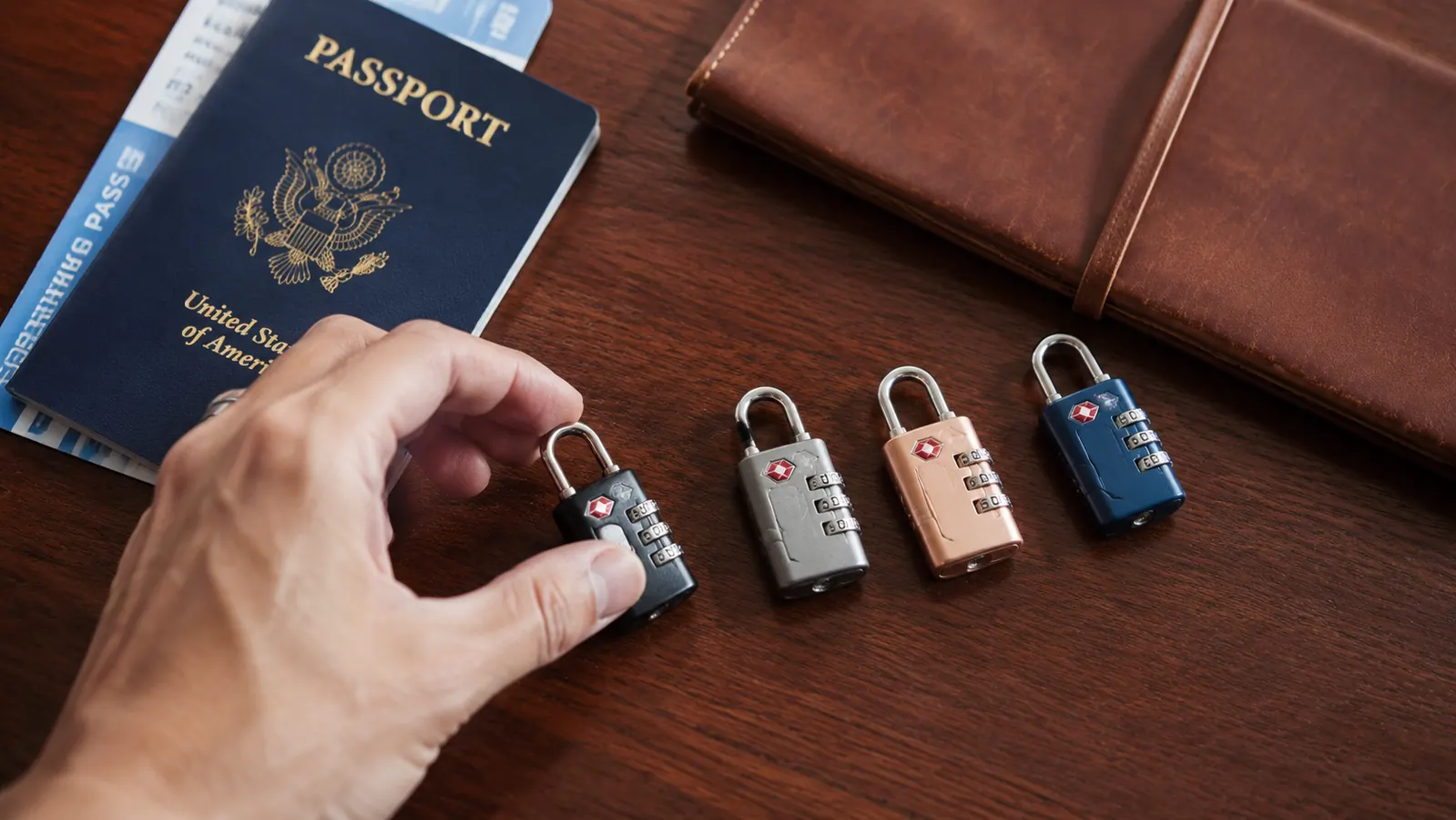
TSA-approved means these locks carry the Travel Sentry or Safe Skies certification, which authorizes TSA agents to open them with a master key without cutting them. This is important because the alternative to a TSA-approved lock is either no lock at all or a lock that gets cut off. I have seen cut locks on bags at baggage claim. It is not a good look and it is a complete waste of the lock.
The Forge locks carry the TSA certification and I have never had one cut or bypassed destructively. Every trigger I recorded was a proper keyed inspection. For the routes I travel, which include some airports with higher inspection rates, the TSA compliance has held up perfectly.
Comparing Forge to What I Used Before
Before the Forge locks, I used a pair of Master Lock TSA-approved combination locks for about two years. The Master Lock is a solid, well-known product with a good reputation. My reason for switching was specifically the open-alert feature, which Master Lock does not offer at this price point. The Master Lock dials are also slightly smaller, though not by much. If the open-alert indicator matters to you, Forge is the move. If it does not matter and you want the comfort of a brand you have known for decades, Master Lock is a perfectly fine alternative. You can read a more detailed side-by-side in our Forge vs Master Lock comparison.
The other lock I tried was an unbranded 4-pack from Amazon that ran at a very low price. The dials seized on two of the four locks within six months. The open-alert indicator was cosmetically present but never triggered accurately. I cannot recommend cheap unbranded locks for bags you actually care about.
What We Liked
- Open-alert indicator works and tracks TSA access accurately
- Easy-read dials with recessed numbers, genuinely legible in low light
- Zinc alloy body has held up through 18 months and 40-plus flights without cracking
- 4-pack pricing makes it easy to lock every compartment on a full-size bag
- Combination reset is simple once you do it once
- TSA compliance has never been an issue on any domestic or international route
Where It Falls Short
- Shackle is on the shorter side, can be tight with bulky zipper pulls
- Open-alert confirms entry only, not whether anything was touched or removed
- Instructions for combination reset are slightly confusing on first read
- Black color is the only option, which makes the locks hard to distinguish from each other if you set different combinations
Who This Is For
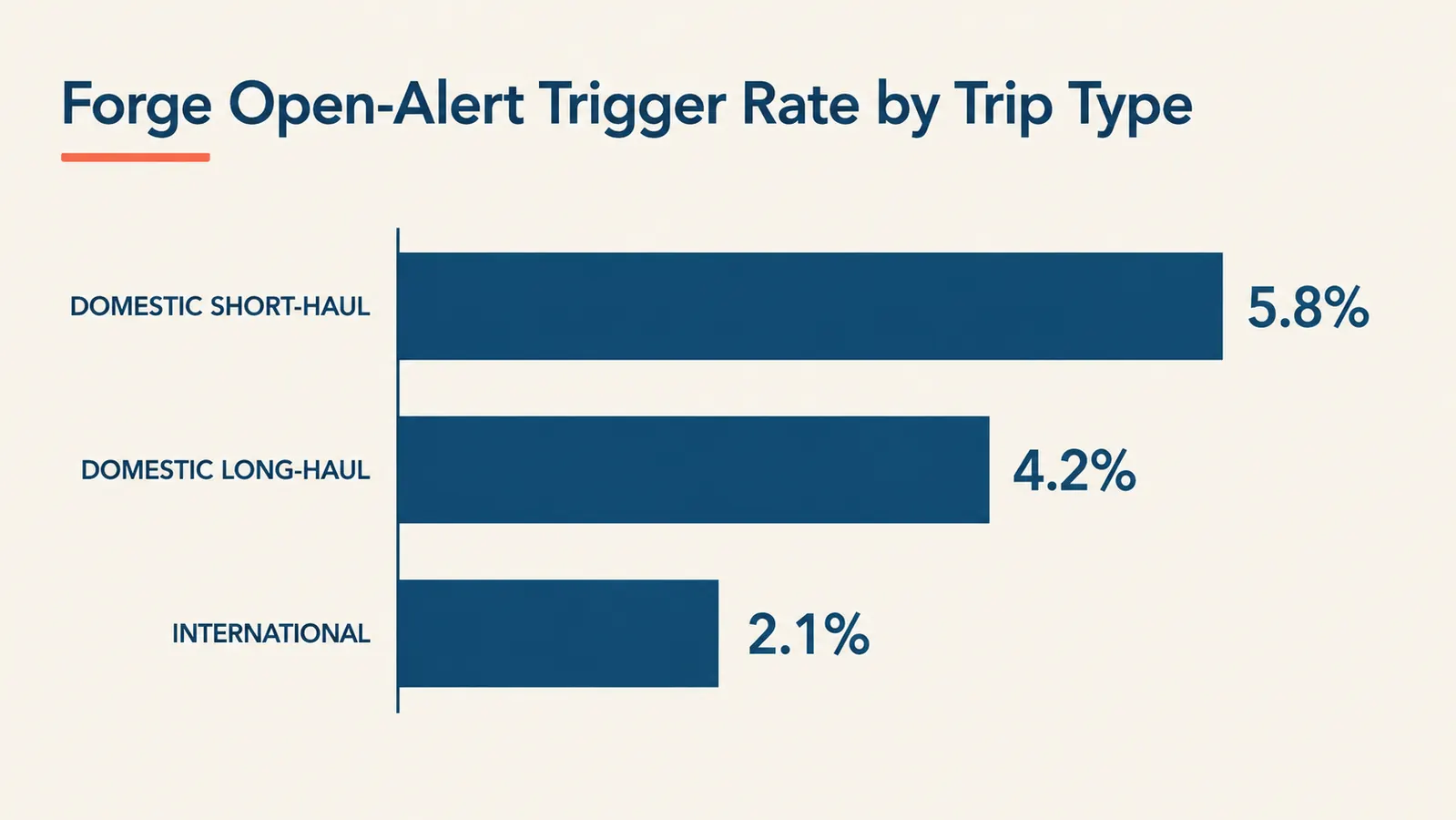
The Forge lock is the right call if you check bags regularly and want more than a deterrent. The open-alert indicator gives you a small but real data point every time your bag comes back. For frequent travelers on routes where TSA inspection is common, domestic long-haul especially, knowing whether your bag was opened is actually useful context. It is also a good option if you are packing anything in checked bags that is irreplaceable or valuable, where the peace of mind of knowing access occurred is worth something to you. If you want to go deeper on the case for TSA locks in general, see our list of reasons every checked bag should have one.
Who Should Skip It
If you only fly carry-on and never check a bag, you do not need this lock at all. Carry-on bags are not subject to TSA inspection in the same way and the open-alert feature is irrelevant for overhead bin travel. If your bag has thick, oversized zipper pulls and you cannot confirm the shackle fits before buying, I would at minimum be aware of the compatibility risk. And if the open-alert feature does not matter to you and you just want the cheapest TSA lock that will not break, there are adequate options for less money, though I have not found any I trust as much over the long haul.
18 Months, 40+ Flights, and These Locks Still Go on Every Bag I Check.
The Forge 4-pack with the open-alert indicator is the luggage lock I keep buying. At today's price for four locks, it is one of the better values in travel gear I have found. Check current pricing on Amazon before you decide.
Amazon Check Today's Price on Amazon →